Upper eyelids
Upper blepharoplasty
Addresses excess skin and selected fullness on the upper eyelids. When drooping skin affects the upper visual field, an upper eyelid procedure may also have a functional purpose.
Explore the procedureBlepharoplasty is eyelid surgery designed to address excess skin, fullness, or under-eye bags while protecting the eyes and preserving a natural expression.
At a glance
It can be cosmetic, functional, or both.
Many patients plan on 1–2 weeks for visible downtime.
An exam helps distinguish skin excess from brow or eyelid-muscle concerns.
The basics
During blepharoplasty, a surgeon makes carefully placed incisions to remove or reposition selected tissue. Upper eyelid incisions are typically hidden in the natural crease; lower eyelid techniques depend on whether the main concern is fat, skin, lid support, or the transition to the cheek.
A comprehensive evaluation also looks at brow position, eyelid height, eye-surface comfort, and how the lids close. That is why the right treatment may be upper blepharoplasty, lower blepharoplasty, ptosis repair, a brow procedure, a combination, or nonsurgical care.
Common types
The name “blepharoplasty” can describe more than one approach. These are the most common categories patients ask about.
Upper eyelids
Addresses excess skin and selected fullness on the upper eyelids. When drooping skin affects the upper visual field, an upper eyelid procedure may also have a functional purpose.
Explore the procedureLower eyelids
Addresses under-eye bags, fullness, and the lid-to-cheek transition. Depending on the anatomy, tissue may be removed, repositioned, or combined with support for a smoother contour.
Explore the procedureCombined care
Some patients choose a coordinated plan for both eyelids. Combining procedures can create balance, but each part should have a clear reason and a recovery plan.
Explore the procedureA note about ptosis and brow position: a drooping eyelid margin or low brow can look like “heavy lids,” but may need a different or additional procedure. Learn about ptosis repair.
Recovery basics
Your instructions will be specific to your procedure and health. In general, recovery is measured in stages rather than one single finish line.
Call your surgeon promptly about concerning changes such as worsening pain, vision changes, rapidly increasing swelling, or difficulty closing the eye. Seek emergency care for severe or sudden symptoms.
First 48 hours
Cold compresses, head elevation, and prescribed medications can help manage early swelling and discomfort. Follow your surgeon’s instructions closely.
Days 5–14
Bruising and swelling are often more noticeable early on and gradually improve. Many patients return to desk work and social activities when they feel comfortable, based on their surgeon’s guidance.
Following weeks
Incisions and eyelid contours continue to mature. The timing of exercise, makeup, contact lenses, and follow-up visits is individualized for your procedure and healing.
Before & after gallery
Every patient and result is different. Browse the full gallery for patient-authorized examples of upper, lower, and combined eyelid procedures.
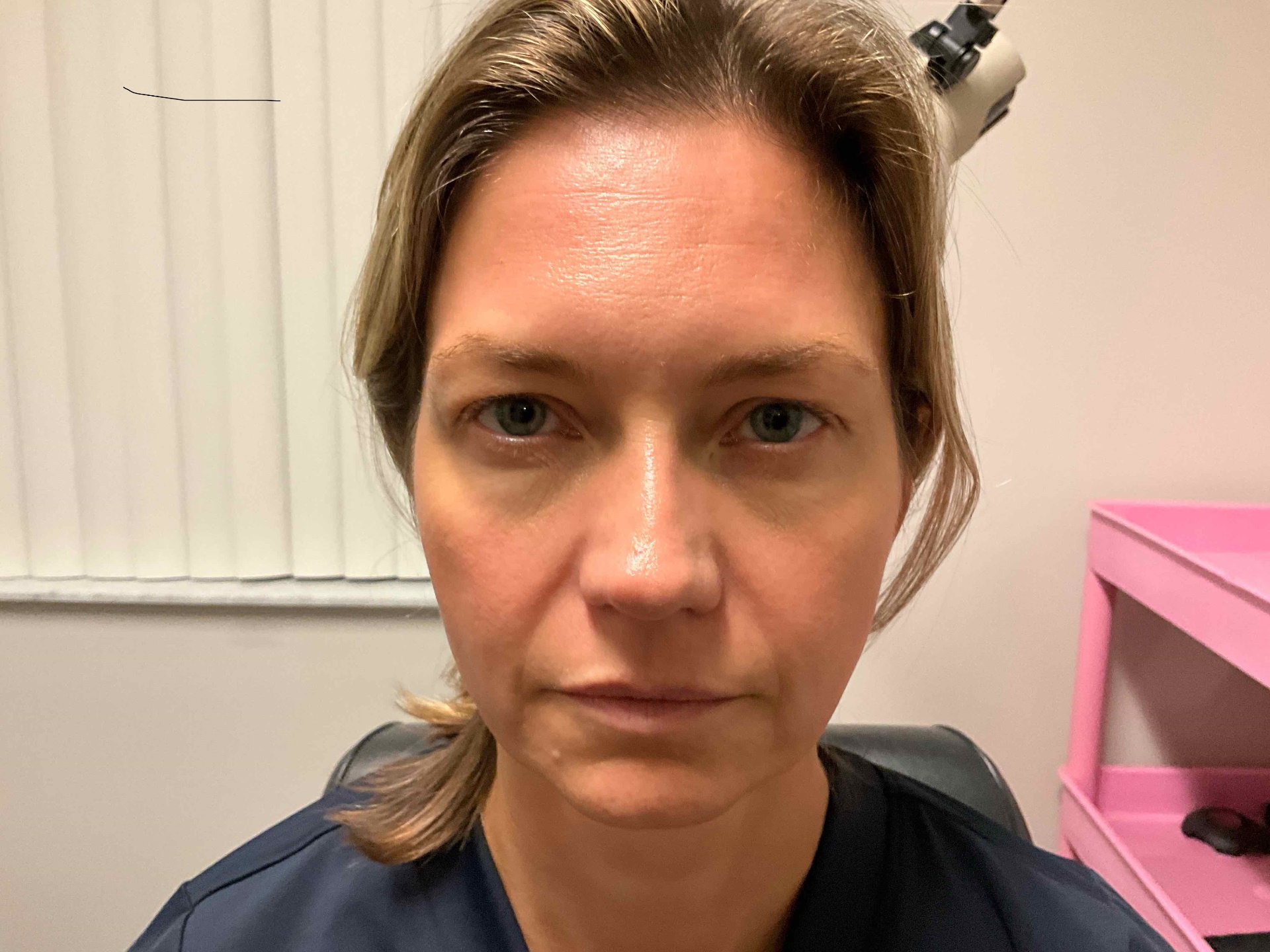 Before
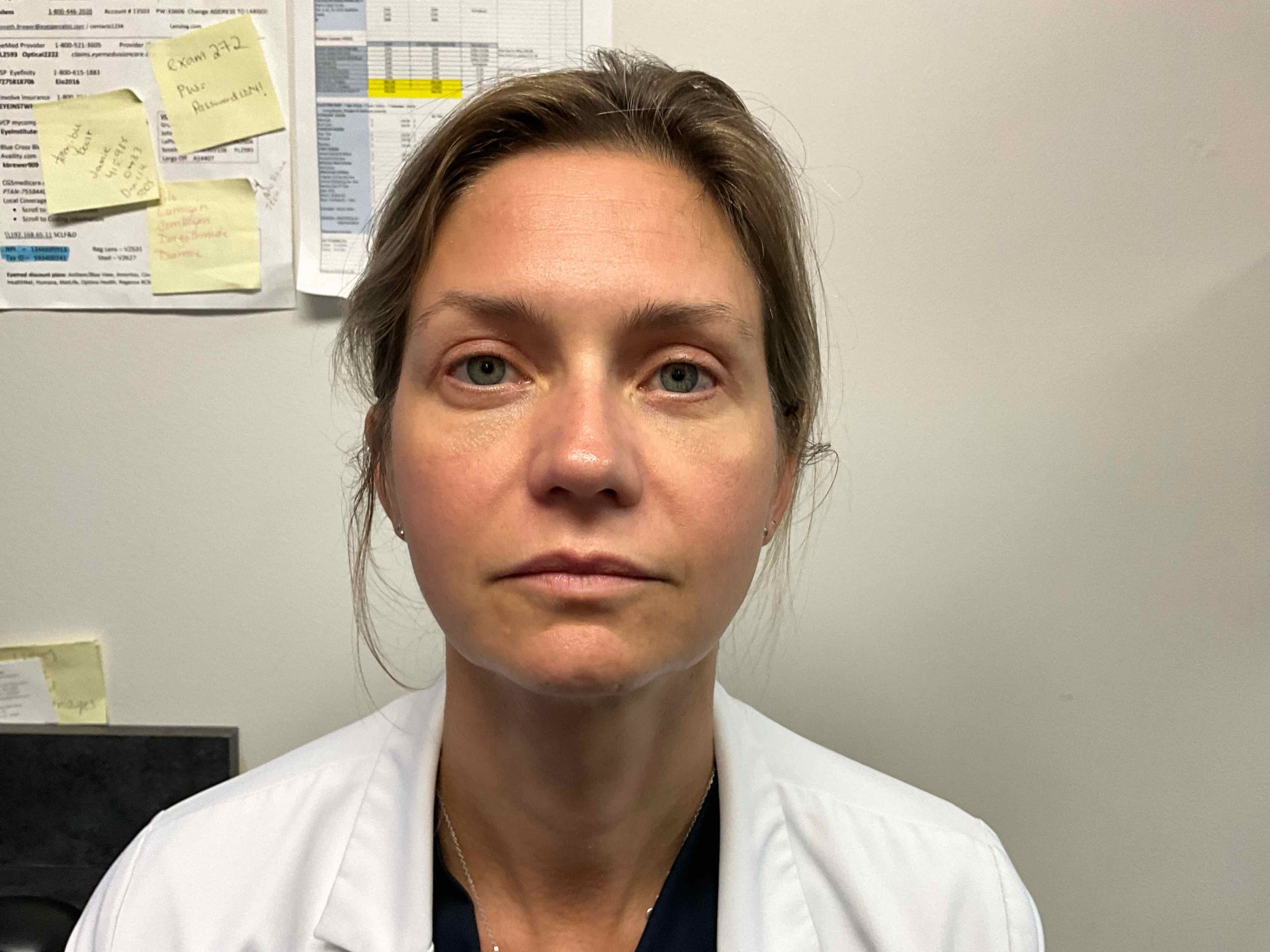 After
AfterUpper Blepharoplasty · Brow Lift
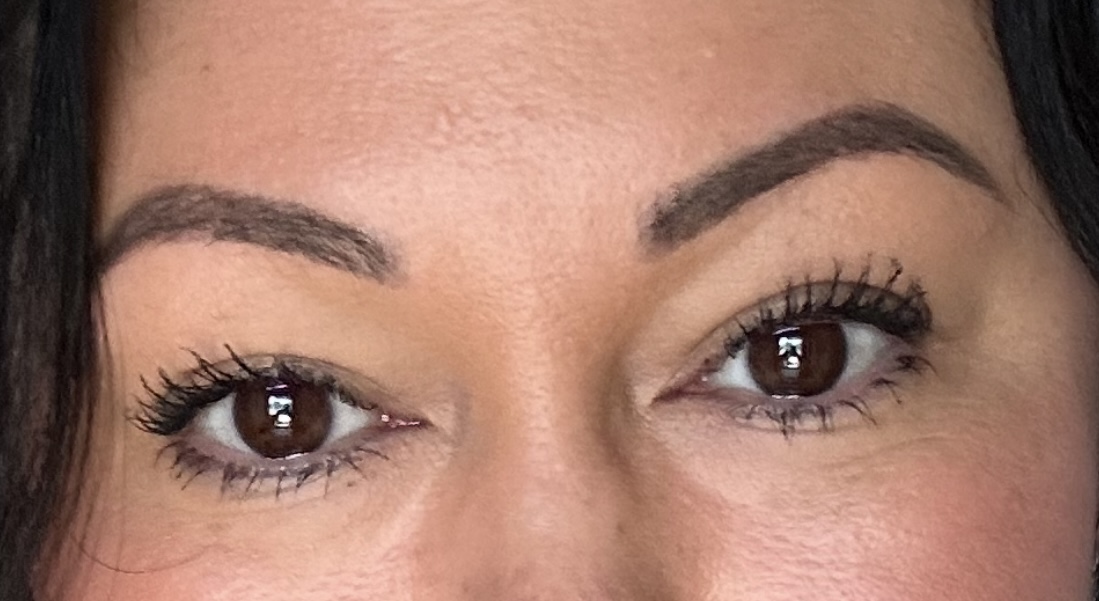 Before
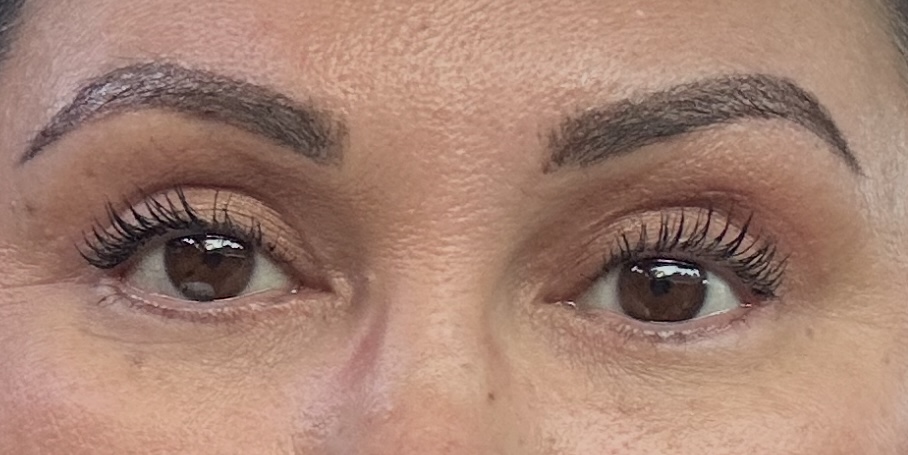 After
AfterUpper Blepharoplasty · Lower Blepharoplasty · Brow Lift
Individual results vary. Photos represent specific patient outcomes and are not a guarantee of results.
Frequently asked questions
Blepharoplasty is eyelid surgery that removes or repositions carefully selected tissue to address excess skin, fullness, or under-eye bags. It may be cosmetic, functional, or a combination depending on the patient’s anatomy and goals.
Many patients plan for about 7–14 days of visible swelling and bruising, although recovery varies by procedure and individual. Eyelid tissues can continue settling for several weeks or months, especially after lower eyelid surgery or combined procedures.
Blepharoplasty primarily addresses excess eyelid skin and selected fullness. Ptosis repair raises a low eyelid margin caused by weakness or stretching of the eyelid lifting mechanism. Some patients need one procedure, while others benefit from both.
The goal is a refreshed, natural result that respects your facial structure and eye function. The right plan depends on your eyelid skin, brow position, eyelid height, lower-lid support, eye surface, and personal goals.
A consultation with Dr. Clair can clarify the cause and the options.
Discuss your goals, anatomy, recovery expectations, and options with Dr. Brandon Clair in Largo, Florida.